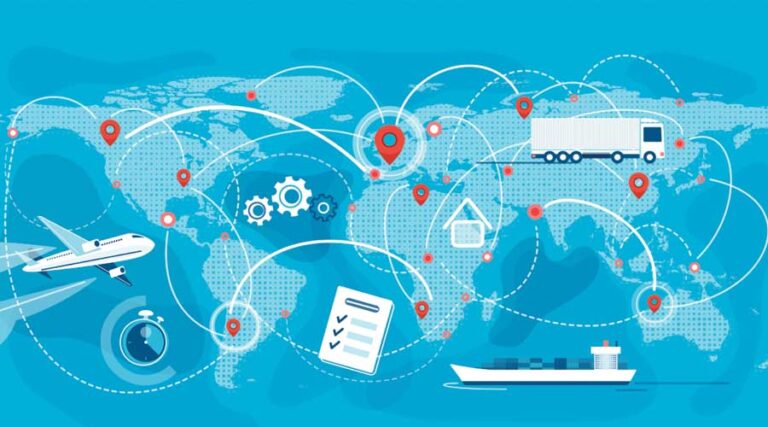
In an interconnected global economy, the supply chain is no longer just a logistical function; it’s the lifeblood of every business. A well-optimized supply chain is the key to reducing costs, accelerating time-to-market, and creating a sustainable competitive advantage. However, in an age of unprecedented volatility—from geopolitical tensions and climate change to rapid technological shifts and unpredictable consumer demands—traditional supply chain models are becoming obsolete. The ability to adapt, to be transparent, and to leverage cutting-edge technology is no longer a luxury but a matter of survival. This article will serve as a comprehensive guide to redefining your supply chain strategy for a new, unpredictable era. We will delve into the core principles of a modern, resilient supply chain, explore the transformative role of emerging technologies, and provide a clear roadmap for organizations seeking to optimize their operations and secure their future.
The Imperative for Change
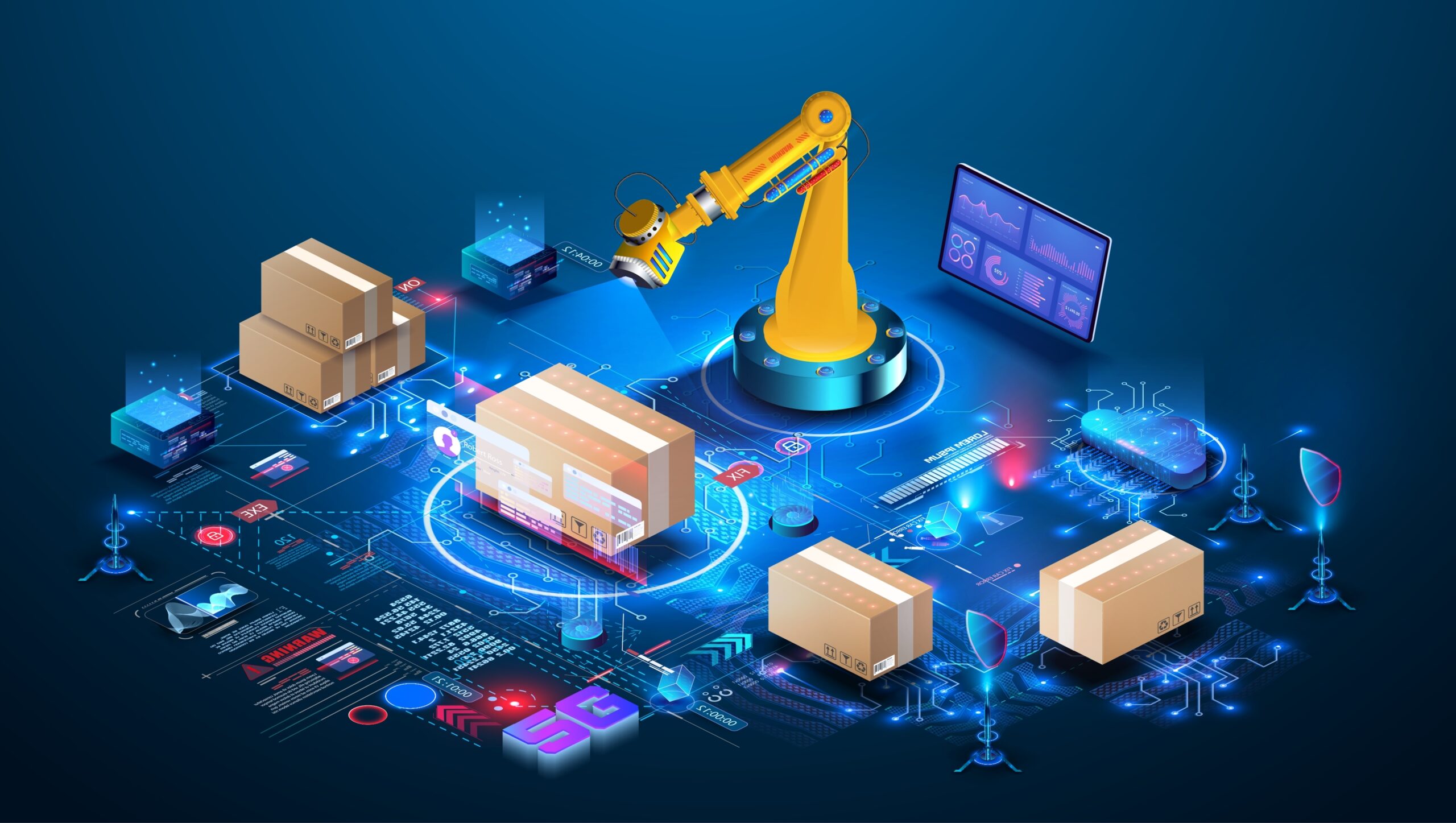
For decades, the goal of supply chain management was simple: minimize cost. This led to a hyper-efficient, lean, and often brittle system built on the principles of just-in-time inventory and single-source suppliers. The COVID-19 pandemic, however, exposed the catastrophic flaws of this model. When a single factory in one country shut down, it sent shockwaves through entire industries, causing widespread shortages and massive financial losses. This global wake-up call highlighted a fundamental truth: resilience is more valuable than efficiency. A modern supply chain must be designed not just to be cheap, but to be robust, adaptable, and transparent. The era of a static, linear supply chain is over; the future is a dynamic, multi-directional network.
The Three Pillars of a Resilient Supply Chain
A supply chain fit for the future is built on three foundational pillars, each addressing a critical aspect of modern business.
A. Digital Transformation: The Power of Data
The most significant change to the supply chain is the infusion of technology and data at every point. This isn’t just about using software; it’s about creating a single, integrated digital thread that provides end-to-end visibility.
- Real-Time Visibility: Traditional supply chains were a black box. You sent a product and hoped it arrived on time. Today, sensors, GPS trackers, and IoT devices provide real-time data on everything from a container’s location to the temperature of its contents. This level of visibility allows businesses to anticipate and respond to delays, manage risks, and provide accurate delivery estimates to customers.
- Predictive Analytics and AI: AI and machine learning are revolutionizing forecasting and demand planning. Instead of relying on historical sales data, AI can analyze a multitude of factors—weather patterns, social media trends, competitor promotions, and macroeconomic indicators—to create far more accurate demand forecasts. This allows companies to optimize inventory levels, reducing both costly overstock and frustrating shortages.
- Blockchain for Transparency: Blockchain technology is no longer just for cryptocurrency. In the supply chain, it can create an immutable, shared ledger that tracks a product from its origin to its final destination. This is invaluable for preventing fraud, ensuring ethical sourcing, and providing consumers with complete transparency about the products they buy.
B. Agility and Adaptability: Building a Flexible Network
A rigid supply chain is a fragile one. A modern supply chain must be designed to pivot quickly in the face of disruption.
- Diversified Sourcing: The single-supplier model is a major liability. Companies are now moving to a multi-sourcing strategy, diversifying their supplier base across different countries and regions. This provides a safety net; if one supplier or region is hit by a crisis, the business can seamlessly shift production to another.
- Nearshoring and Reshoring: The long-held practice of offshoring production to the lowest-cost countries is being re-evaluated. Geopolitical risks and rising shipping costs are making nearshoring (moving production to a nearby country) and reshoring (bringing it back home) increasingly attractive. While potentially more expensive upfront, these strategies offer greater control, faster delivery times, and reduced risk.
- Dynamic Routing and Logistics: Rather than relying on a single, fixed route, a resilient supply chain uses technology to dynamically reroute shipments based on real-time data. If a port is congested or a road is closed, the system automatically finds the most efficient alternative, minimizing delays and mitigating risk.
C. Sustainability and Ethics: The Conscience of the Chain
Today’s consumers and investors demand that businesses operate with a conscience. A supply chain that is not sustainable or ethical is a significant liability.
- Circular Economy Principles: The old “take, make, dispose” model is being replaced by a circular economy approach. This involves designing products for durability, repair, and recycling, and creating supply chains that facilitate the return and reuse of materials. This not only reduces waste but also creates new business opportunities.
- Ethical Sourcing and Labor Practices: Customers are scrutinizing how products are made. They want to know that the materials were sourced responsibly and that the workers were treated fairly. Transparency is key here, with technology like blockchain providing an auditable trail of a product’s journey.
- Green Logistics: Companies are under pressure to reduce their carbon footprint. This means optimizing transportation routes to minimize fuel consumption, investing in electric vehicles, and using data to reduce wasted space in shipping containers.
Transforming Your Supply Chain
Transitioning to a modern, resilient supply chain is a complex but necessary journey. Here is a practical blueprint for getting started.
- Conduct a Comprehensive Audit: Before you can optimize, you must understand your current state. Map out your entire supply chain, identifying every single supplier, route, and point of vulnerability. This is where you uncover single points of failure and areas of inefficiency.
- Invest in Foundational Technology: You can’t build a digital supply chain on a spreadsheet. Invest in a Supply Chain Management (SCM) platform that integrates with your ERP (Enterprise Resource Planning) system. This will be the digital hub of your new, data-driven operation.
- Start with a Pilot Project: Don’t try to change everything at once. Pick a specific, manageable area to pilot your new strategy. This could be a single product line, a specific region, or a particular a supplier. Learn from this experience and then scale the changes across the organization.
- Foster a Culture of Collaboration: A modern supply chain is not a siloed department. It requires collaboration across all functions—from product design and marketing to sales and finance. Break down internal barriers and create a shared vision for a more resilient and efficient supply chain.
- Build a Talent Pipeline: The skill sets required for modern supply chain management are evolving rapidly. You will need a new kind of professional—one who is not just a logistics expert but also a data analyst, a strategist, and a technologist. Invest in training your existing employees and recruit new talent with these future-forward skills.
The Future of Supply Chain
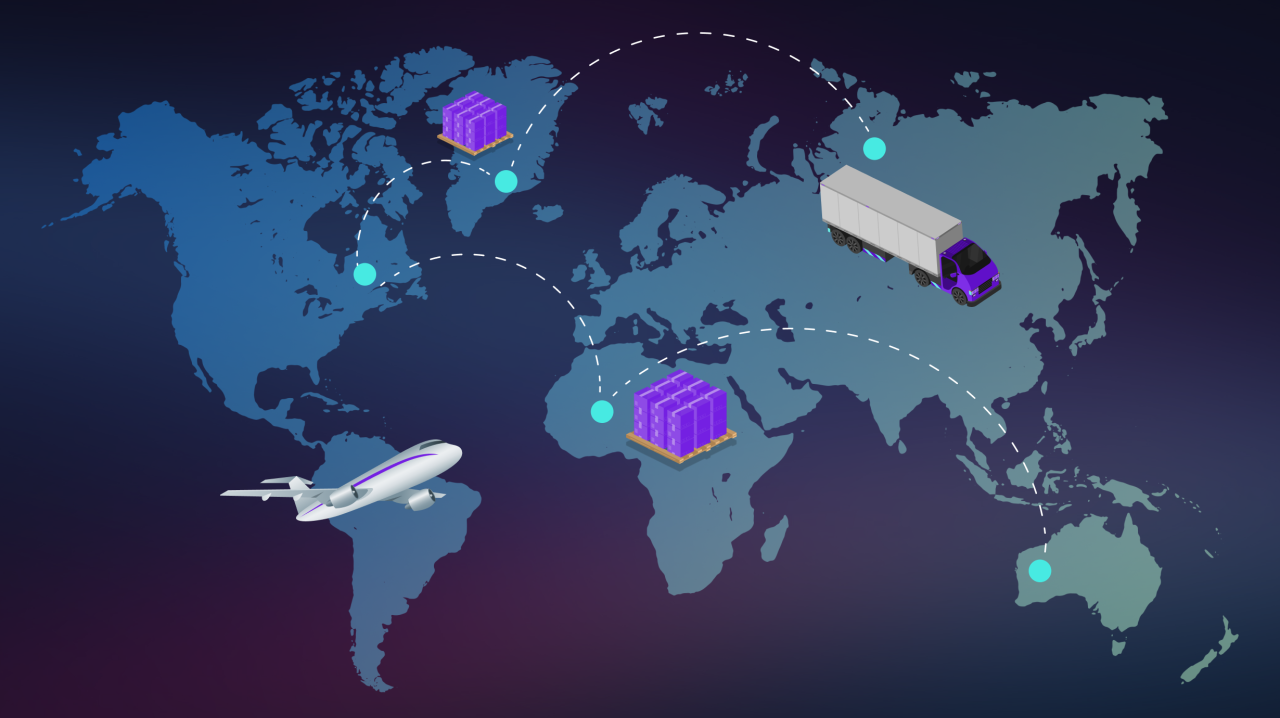
As we look ahead, the supply chain will continue to evolve in ways that were once unimaginable.
- Hyper-Personalization: The supply chain of the future will be so agile and responsive that it can enable mass customization and hyper-personalization. Products will be made on demand and delivered directly to the consumer, eliminating the need for vast warehouses and complex retail logistics.
- Autonomous Logistics: Drones and self-driving trucks will revolutionize the final mile of delivery. This will not only reduce costs but also eliminate the human element, ensuring reliability and efficiency that are currently impossible to achieve.
- Sustainable and Ethical by Design: The concept of sustainability will be integrated into the very fabric of a product’s design. From the use of biodegradable materials to supply chains powered by renewable energy, the ethical and environmental impact of a product will be a key differentiator for brands.
Conclusion
The supply chain is no longer a back-end cost center; it is a front-and-center engine of competitive advantage. The businesses that will thrive in this new era are not the ones with the cheapest supply chains, but the ones with the most resilient, transparent, and intelligent ones. By embracing a strategic shift from a focus on efficiency to a focus on adaptability, and by leveraging the transformative power of data, AI, and ethical practices, companies can secure their place in the future.
This journey requires a bold vision and a willingness to invest in technology and talent. It’s about building a system that can withstand the inevitable shocks of a volatile global market. The payoff is immense: reduced risk, lower costs in the long run, and a stronger, more trusted brand. The redefinition of the supply chain is not just a strategic choice; it is a fundamental act of preparing for the future. The businesses that lead this transformation will not just survive; they will define the next generation of commerce.